
Heat Pump Auxiliary Heat (AUX/E-Heat): When It Should Run & How to Lower Costs in NC
If your thermostat shows “AUX” or “E-Heat,” your system is adding backup heat—often electric heat strips. Here’s how it works in North Carolina, when it’s normal, and how to avoid unnecessary runtime.
•
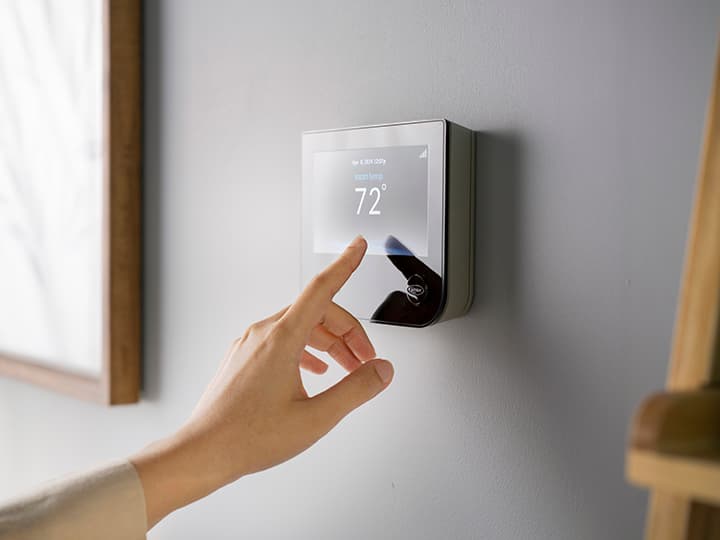
What is Auxiliary Heat?
Auxiliary heat supplements your heat pump when outdoor temperatures drop or when the thermostat is raised quickly. Most homes use electric heat strips; dual-fuel systems use a gas furnace as backup instead.
When AUX/E-Heat Should Turn On
- Outdoor temps near/below freezing for extended periods
- Rapid setpoint changes (e.g., 65°F → 72°F at once)
- During defrost cycles on very cold mornings
Tips to Reduce Strip-Heat Runtime
- Use gradual schedule changes or smart “adaptive recovery.”
- Seal duct leaks and improve insulation to reduce load.
- Keep filters clean; low airflow triggers AUX and hurts comfort.
- Ask about outdoor lockout or balance points for your thermostat.
- Consider dual-fuel for colder parts of NC or high energy rates.
Common AUX Problems We See
Thermostat misconfiguration, failed outdoor sensors, undersized systems, or dirty coils can make AUX run too often. Our techs test staging, sensors, strips, and defrost logic to fix the root cause.
Need help dialing in AUX heat?
We optimize settings, airflow, and staging so you stay warm without surprise energy bills.