
Heat Pump vs. Central AC in North Carolina: What Saves More in the Triangle?
A clear, local guide from All Weather Heating & Cooling, Inc. to help homeowners in Durham, Raleigh, Chapel Hill, Apex, and beyond pick the right system for comfort, cost, and humidity control.
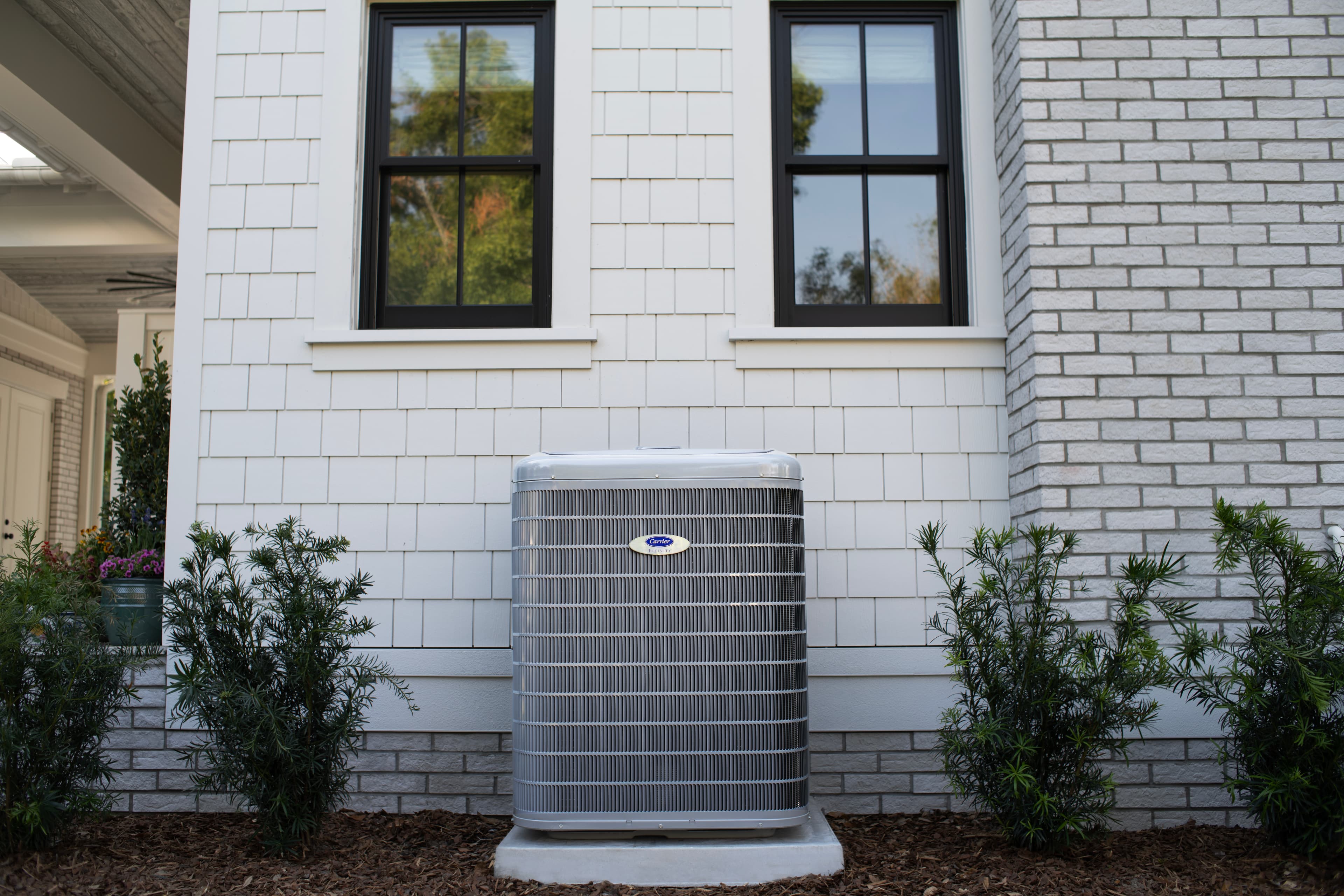
Heat Pump vs. AC: The Short Version
Both systems cool your home in summer. A heat pump also heats your home efficiently in winter by reversing operation. In the Triangle’s climate, that means excellent year-round value. Homes with natural gas or frequent sub-freezing temps can add a dual-fuel furnace for best-of-both.
Pros & Cons at a Glance
Heat Pump ✅
- Efficient heating & cooling in one system
- Great dehumidification with variable-speed
- Lower operating costs vs. electric heat
- Pairs well with solar or time-of-use rates
Consider
- Very cold snaps can benefit from dual-fuel backup
- Correct sizing & setup are crucial
Central AC + Furnace ✅
- Strong heating with gas furnace
- Proven, familiar configuration
- High-efficiency AC options for humidity
Consider
- Two appliances to maintain (AC + furnace)
- Gas prices & emissions may vary year-to-year

What Works Best in North Carolina’s Climate?
For Durham, Raleigh, Chapel Hill and nearby, heat pumps shine. Winters are moderate and summers are humid—perfect for variable-speed heat pumps tuned for dehumidification. If you already have natural gas and want extra punch on the coldest nights, a dual-fuel heat pump adds flexibility and savings.
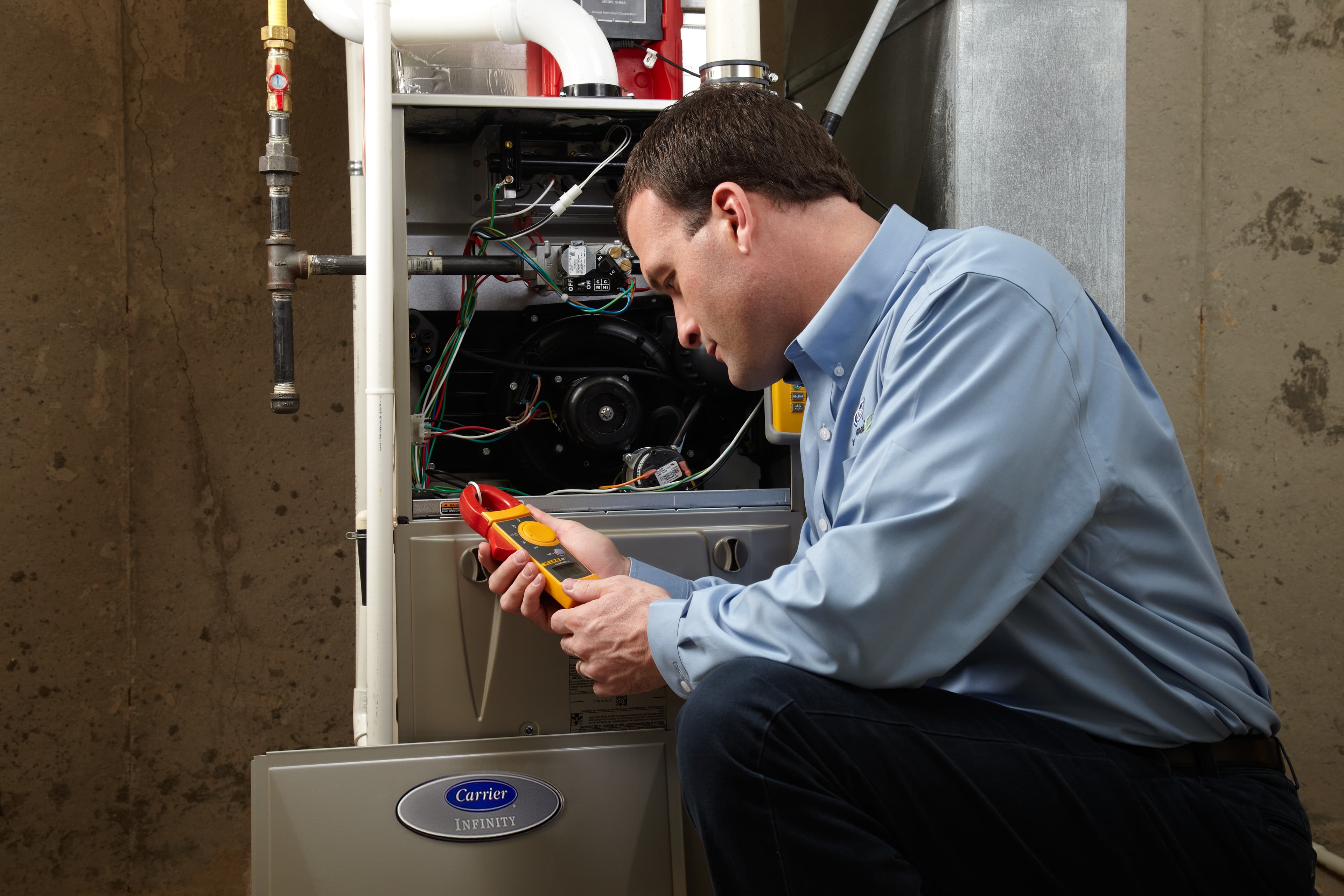
Cost, Rebates & Efficiency Ratings
Upfront costs depend on system size, ductwork, and features. For long-term savings, look for high SEER2/SEER (cooling) and HSPF2/HSPF (heating) on heat pumps. Utility rebates and federal incentives may be available for qualifying high-efficiency equipment.
Not sure which system is right for your home?
We size equipment with Manual J calculations, evaluate ducts, and tune airflow for North Carolina humidity.